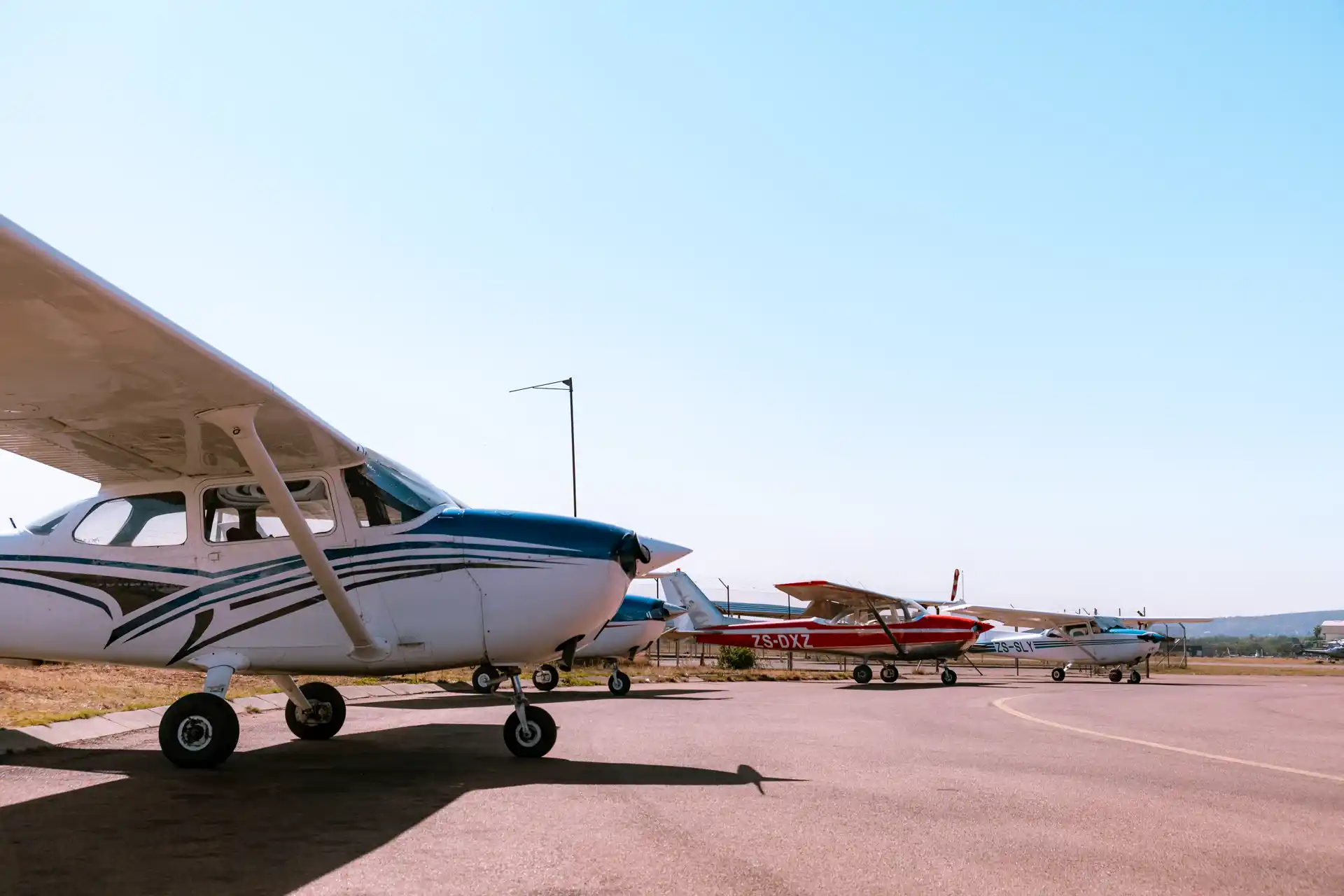
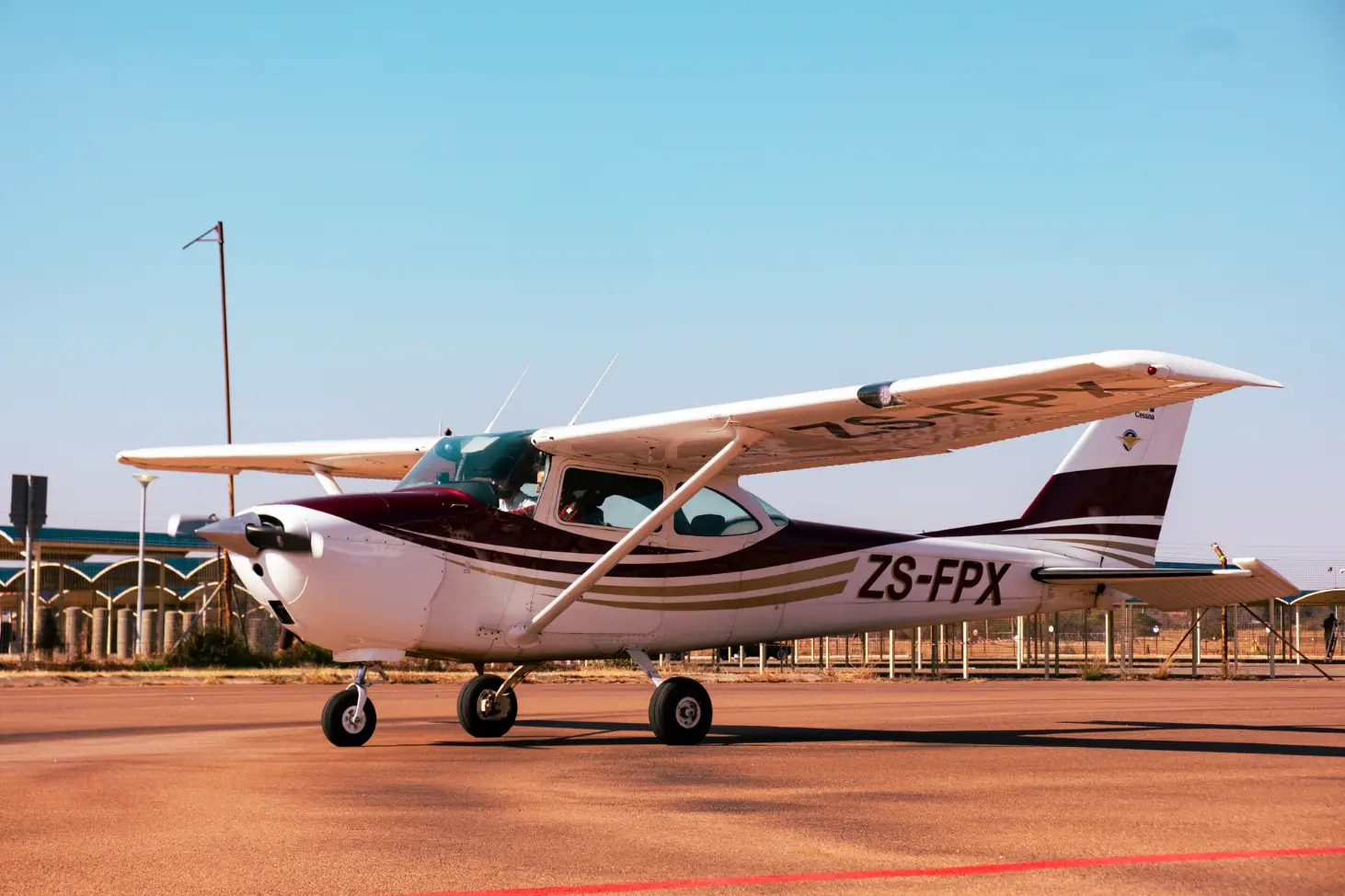
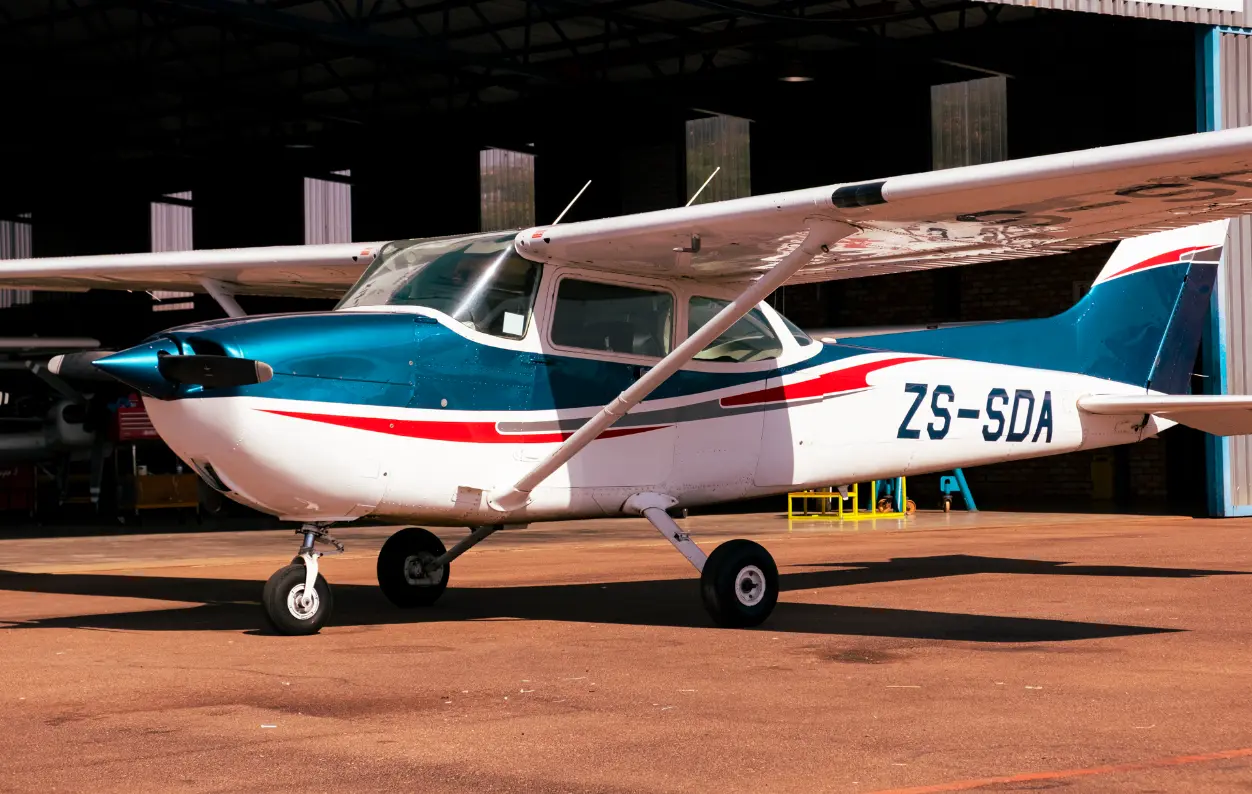
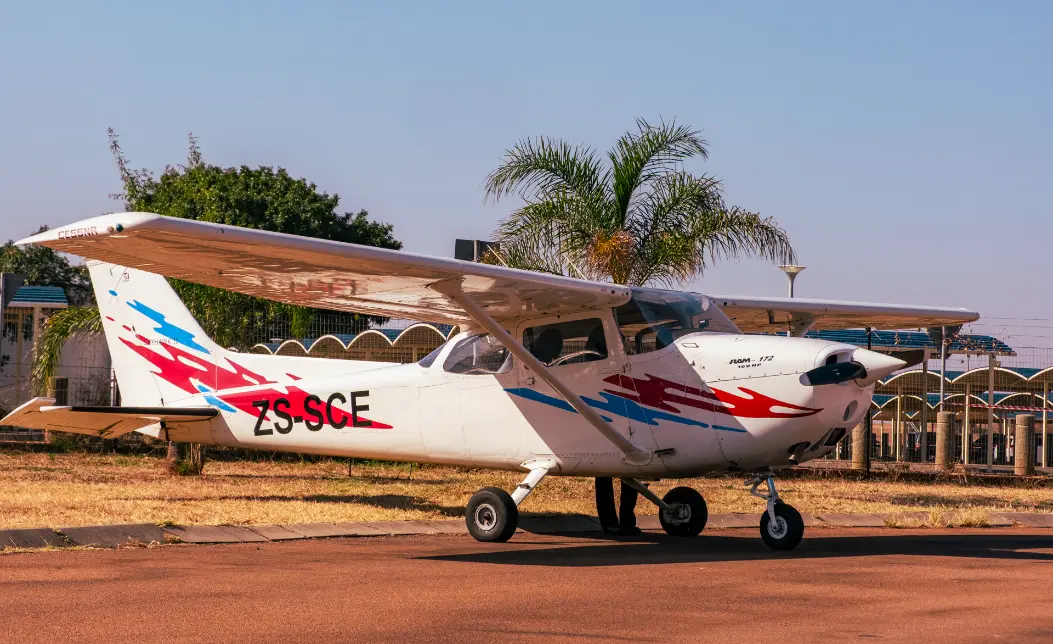
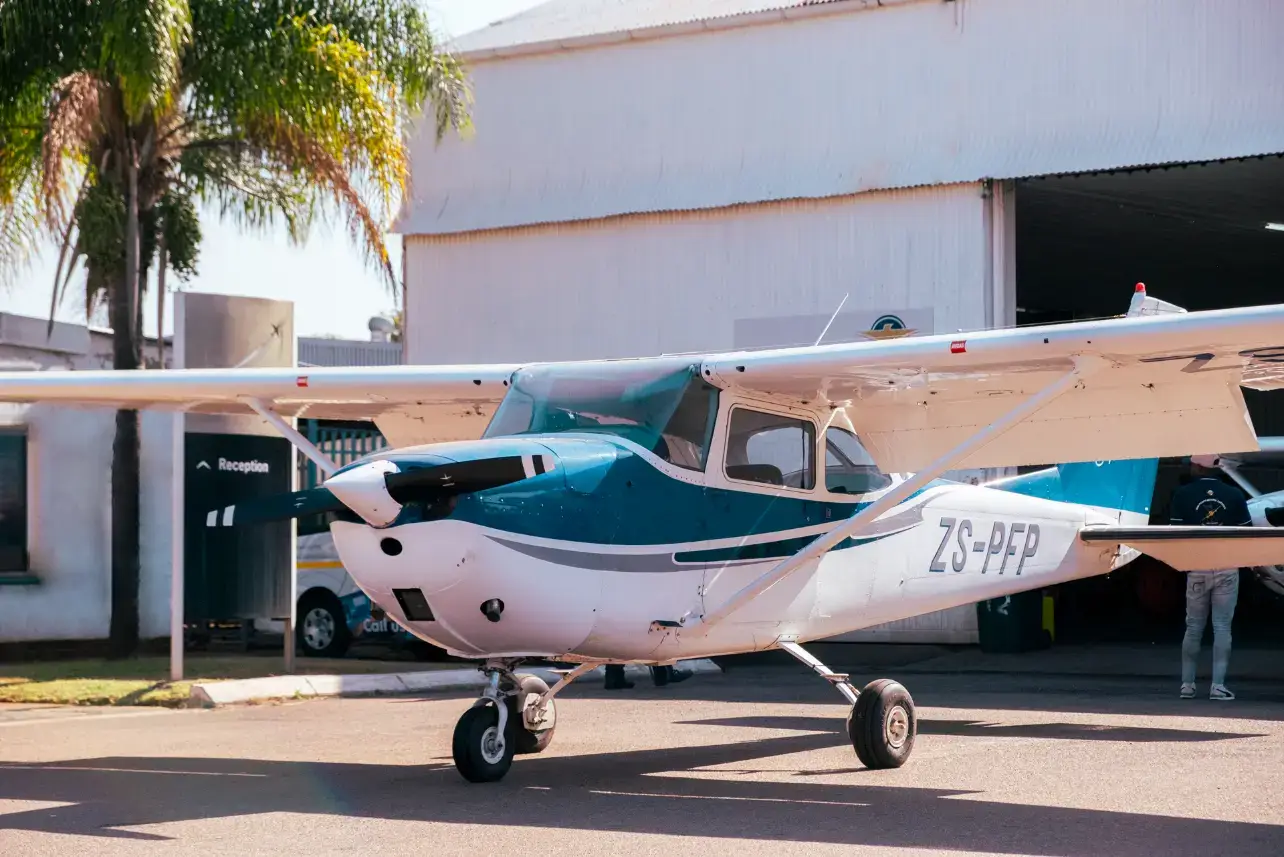
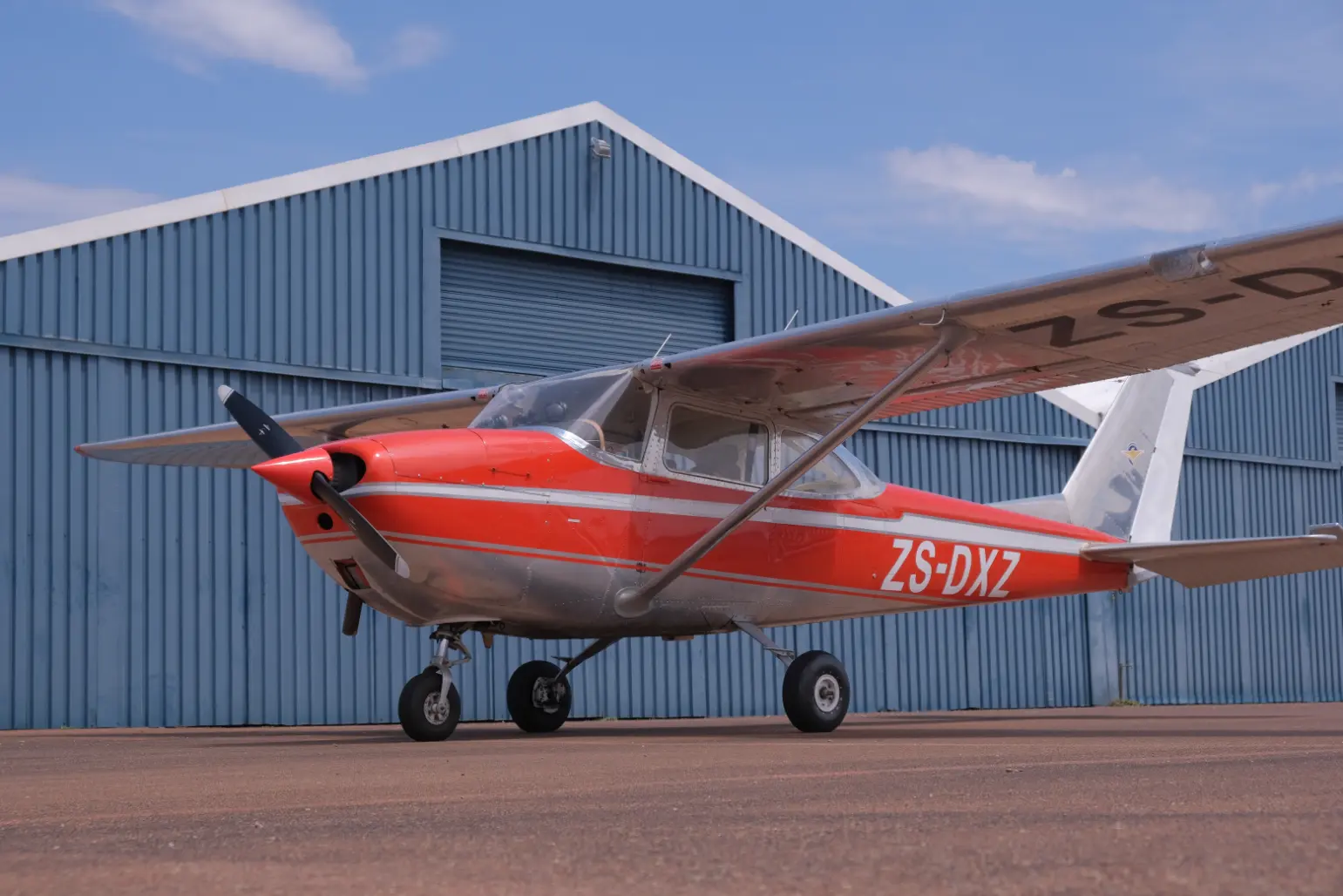
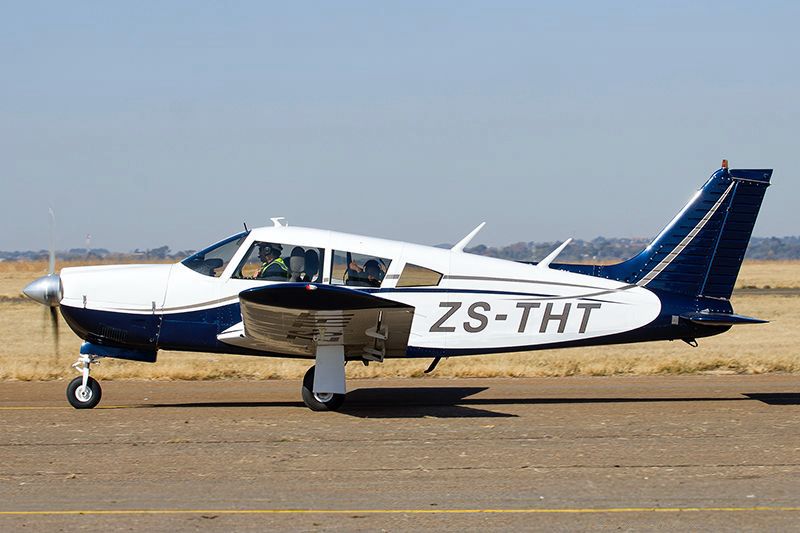
At the heart of our fleet is the Cessna 172, the most mass-produced aircraft in history and still one of the most popular choices worldwide. Known for being forgiving, stable, and remarkably reliable, the Cessna 172 offers an ideal learning platform for student pilots. That’s why it forms the backbone of our fleet.
For more advanced training, our fleet includes aircraft equipped with retractable landing gear, variable pitch propellers, and fuel injection systems. These are essential features for students preparing for higher-level licenses and endorsements.
When it comes to multi-engine and advanced commercial training, we use our inhouse, glass cockpit Baron 55, a robust twin-engine aircraft. Its high-performance engines provide an added margin of safety, particularly important during simulated engine-out procedures and complex flight exercises required for Instrument Ratings, Commercial Pilot Licenses with Multi-Engine Endorsements, and Airline Transport Pilot Licenses (ATPL).

Behind the scenes, our maintenance team plays a critical role in ensuring that every aircraft is kept in top condition. We adhere to a strict preventive maintenance schedule that complies with all SACAA safety regulations. Each aircraft undergoes regular inspections, servicing, and airworthiness checks to maintain peak reliability and safety.
We believe that well-maintained aircraft not only ensure safe training but also help students develop confidence and trust in the machines they operate, laying the foundation for successful aviation careers.
Ab initio training
Hire & Fly
Conversion to type training
Hour building towards Commercial Pilot Licence (Terms and conditions)
THT
Advance Training

OOG
Conversion to type training
Advance Training
Line Orientated Flight Training (LOFT) Training for the issuance of RNAV/GNSS ratings

It’s more than simulation; it’s preparation for success.
We are proud to offer 2 state-of-the-art flight simulators, designed and built to meet SACAA-FSTD FNPT II standards. These advanced simulators are a key part of our training, offering a realistic learning experience while helping to lower the overall cost of flight training.
One of the key advantages of our simulators is their seamless adaptability. No physical reconfiguration is required to switch between flight models. At the touch of a button, the simulator reconfigures to display type-specific instruments and flight characteristics, offering students a realistic and efficient training experience.
By allowing a portion of flight training to be completed on the simulator, students benefit from significant cost savings, as simulator hours are more affordable than aircraft time, without compromising on quality.
At Blue Chip Flight School, we see our simulators as more than just tools, they’re valuable assets that help students improve their skills, build confidence, and make training more affordable and effective. It's one of the many ways we help shape professional, well-rounded pilots ready for the real world.